Search for
All you need
What do you need to look?
In the research, development, and manufacturing of medical electronic devices, even the slightest connection failure can pose an immediate threat to patient safety. Whether it is an implantable cardiac pacemaker, a portable blood glucose meter, or large‑scale ultrasound and X‑ray imaging systems, both the internal components and external interfaces of these devices place extremely stringent demands on the reliability, cleanliness, and electrical performance of connectors.

As medical devices rapidly evolve toward miniaturization, portability, and智能化, conventional standard connectors can no longer fully meet the demands of complex spatial configurations and high‑density signal transmission. A deep understanding of the technical specifications, manufacturing processes, and supply-chain assurances for precision medical connectors has become essential training for medical-device R&D engineers and procurement teams.
Medical electronic interconnection technology not only ensures the reliable transmission of signals and power but also addresses stringent requirements for human safety and robust environmental adaptability.
Take life-support devices such as cardiac pacemakers as an example; the space utilization of their internal circuit boards has already approached the physical limit. Such scenarios typically require customized ultra-miniature connectivity solutions.
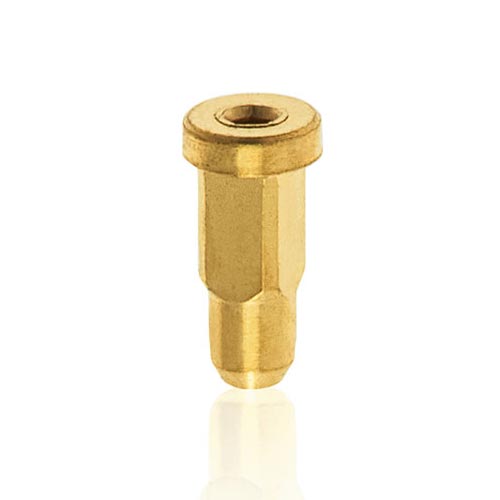
Micrometer-level precision socket (Micro Socket):It features a unique 0.66mm square-pin header design, enabling precise mating with ultra-fine 0.20mm pitch pins on the circuit board.
Automated Dust-Free Control:During the assembly and inspection of micro-connectors, it is essential to rely on dedicated, in-house‑developed production systems, equipped with fully automated optical cleaning and inspection equipment, to ensure that component surfaces are free from any particulate contamination.
In portable devices such as handheld monitors, hearing aids, personal blood glucose meters, and defibrillators, connectors must not only withstand frequent daily plugging and unplugging but also comply with the latest global environmental regulations.
Lead-free terminals and RoHS-3 compliance:Lead-free contacts made from advanced materials fully comply with the RoHS-3 standard while maintaining superior electrical conductivity and mechanical durability, thereby eliminating the risk of harmful substance residues.
High-Cleanliness Production Environment:The production workshop for medical connectors must maintain stringent cleanliness controls to prevent microorganisms or particulate matter from interfering with highly sensitive sensor signals.
Advanced imaging equipment such as X-ray machines and ultrasound scanners place extremely stringent demands on signal transmission rates and electromagnetic interference (EMI) immunity. Connector design integrates finite element analysis (FEA) with mold-flow simulation, enabling digital verification of electromagnetic compatibility and structural integrity during the early R&D phase and significantly shortening the product time-to-market.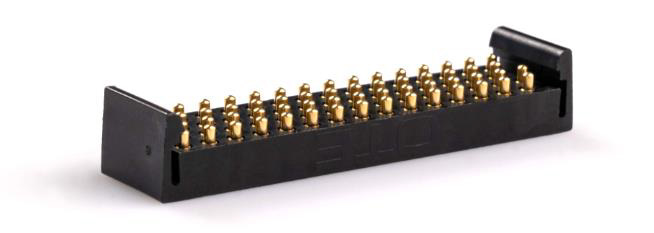
In the face of diverse healthcare application scenarios, a research-and-development model that combines standardized components with customized solutions is becoming the prevailing trend.
| R&D phase | Core Technologies and Tools | Addressing critical engineering pain points |
| Structural and Electrical Design | Finite Element Analysis (FEA)/Circuit Performance Simulation | Predict contact stress relaxation and optimize signal transmission integrity. |
| Injection Molding and Forming Processes | Mold-flow Analysis | Eliminate internal stresses and flash in micro-injection molded parts to ensure reliable insulation performance. |
| Materials Science Applications | Lead-free alloy/High-pressure, high-temperature insulator | Meets stringent sterilization protocols (such as autoclaving) and environmental regulations. |
| Quality control system | Fully automated visual inspection/100% cleanliness control | Eliminates the risk of missed defects in manual inspection, ensuring zero-defect delivery. |
For medical device manufacturers, selecting an excellent connector solution is only the first step.How to Build a Stable, Transparent, and High-Standard Components Supply ChainThis is the key to achieving mass production, real-world deployment, and long-term maintenance of the project.
In the course of actual procurement and inventory management, procurement engineers and the supply chain team frequently encounter the following pain points:
Long procurement cycle:Medical-grade, high-precision connectors and chips often have long lead times, which can significantly extend the overall equipment delivery cycle.
Difficulties in quality traceability:Medical products are subject to stringent original-equipment manufacturer (OEM) quality standards; any non‑original or unidentified‑source substitutes pose significant compliance and quality risks.
Small-batch, multi-variety demand:During the R&D and pilot-production phase, demand is low, making it difficult to secure high-priority allocations directly from the original equipment manufacturer.
To help medical electronics customers overcome supply chain bottlenecks from R&D to mass production,BonChip (Bangjing Technology)We are committed to providing global medical and industrial electronics customers with professional, efficient electronic component supply-chain support.
As a professional authorized distributor of electronic components in the industry,BonChip ElectronicsA comprehensive quality management and delivery service system has been established:
Original, genuine product verification and ordering services for the entire series:
Supports comprehensive inquiries across the full range of globally renowned connector brands, including PRECI-DIP, as well as high-precision semiconductor components.
We rigorously control our supply chain to ensure that every batch of products is fully traceable, thereby meeting the medical industry’s stringent requirements for quality and compliance.
Flexible and efficient global delivery solutions:
For the different phases of medical device R&D—prototype development, pilot production, and mass manufacturing—we offer customized inventory buffer and expedited delivery solutions to effectively mitigate the risk of production downtime caused by long‑lead‑time components.
High-standard one-stop after-sales service:
In collaboration with our customers’ R&D and procurement teams, we provide specification confirmation, sample support, PCN (Product Change Notification) tracking, and a comprehensive after-sales service system, ensuring a more streamlined and efficient procurement process.
When advancing the component selection and procurement for medical device projects, it is recommended that the team follow the standard procedure below:
Clarify environmental and regulatory indicators:Confirm whether the connector must comply with environmental regulations such as RoHS‑3 and REACH, and whether it needs to withstand specific medical disinfection procedures.
Assessing Mechanical and Electrical Limits:For miniature sockets and pins, carefully verify the contact resistance, maximum insertion‑extraction cycle life, and rated current to ensure adequate engineering margins.
Verifying the manufacturer’s quality control capabilities:Prioritize connector brands that offer automated optical inspection (AOI) and cleanroom manufacturing capabilities.
Secure Reliable Distribution Partners:withBonChip ElectronicsMaintain close communication with authorized distributors that offer genuine‑product guarantees and rapid response capabilities, and proactively develop inventory‑management and supply‑chain‑diversification plans for critical components.